 Български
 Русский
 English
 Bahasa Indonesia
 Bahasa Malay
 ไทย
ไทย Español
 Deutsch
 Français
 Tiếng Việt
 中文
中文 বাংলা
বাংলা हिन्दी
 Čeština
 Українська
 Română


Symbol of era: “kill‑switch engineer” vacancy
Perhaps the most vivid example of the new reality is a job recently posted by OpenAI: the “kill‑switch engineer” (or emergency shutoff engineer). The candidate is literally expected to “pull the plug” if an AI goes out of control. This job has become a powerful symbol of the age. When technologies reach complexity comparable to biological systems, humanity needs a professional “keeper of the lever” to press the red button in time.
Subject‑matter expert trainers (fin/law/med)
Today’s model training (LLMs) is not just feeding the internet to an algorithm, but it is deep mentorship. Experts from medicine, law and finance are brought in to fine‑tune AI responses. A physician verifies diagnostic hypotheses produced by a neural network, and a lawyer filters out legal assumptions. These specialists act as “university professors” for algorithms, ensuring AI assistants can provide professional expertise rather than merely imitate human speech.

Implementation engineers
Once a model is trained, implementation engineering teams take over. Their task is to integrate AI into a company’s existing business processes. They build the “bridges” between a raw algorithm and real tasks in sales, logistics or production. These specialists understand both code and business logic. Without them, even the most powerful AI remains a useless toy. They turn technological breakthroughs into tangible profit by automating routine work and optimizing supply chains.

Supervisors of autonomous agents
As we shift from chatbots to autonomous agents capable of acting independently, a need has emerged for their supervisors. This specialist gives an agent high‑level aims (for example, “enter a new market”) and monitors intermediate results. The supervisor ensures that an array of bots does not deviate from ethical norms or business strategy. It is a role for strategists who can manage digital subordinates as effectively as human teams.

Algorithmic safety auditors
As AI assumes control over critical infrastructure, the role of safety auditors grows. They run “stress tests” on neural networks, trying to force errors or extract confidential data. These are the new wave of white‑hat hackers who protect companies from unpredictable behavior by their own algorithms. Their work ensures AI solutions meet strict reliability standards and do not become weak links in business defenses.
Emotional‑intelligence designers (EQ designers)
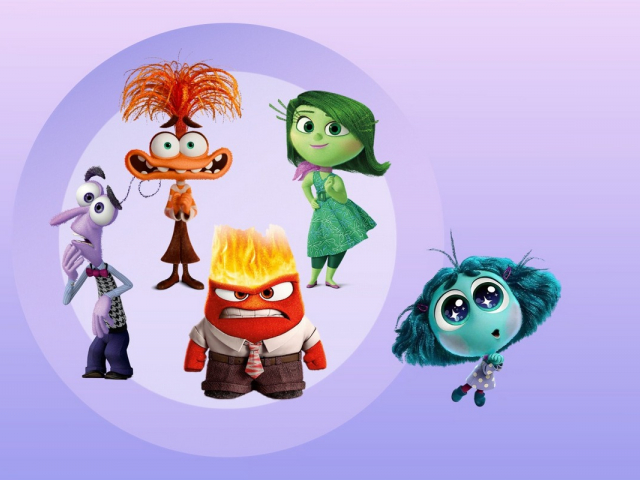
To prevent AI assistants from sounding like soulless machines, their personalities are crafted by EQ designers. They define communication tone, levels of empathy and response styles in difficult situations. This work sits at the intersection of linguistics, psychology and scriptwriting. The goal is to create an interface that inspires user trust. In 2026, an AI’s “personality” becomes as important as a logo or slogan. Such specialists create a company’s digital voice.
Digital twin operators
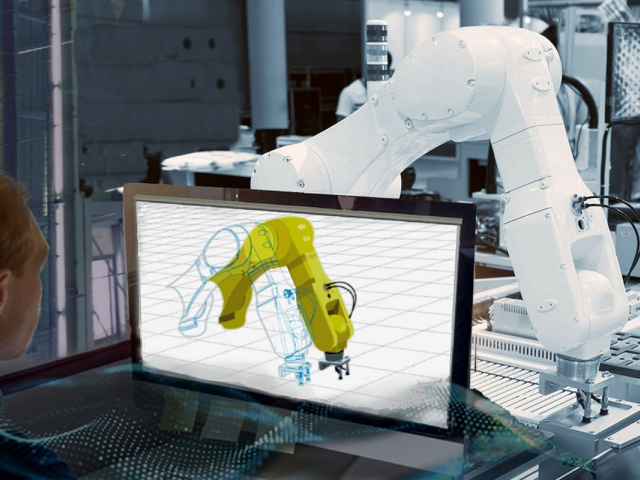
Digital twins are increasingly used in industry and urban management. Operators of these systems manage virtual copies of factories or entire neighborhoods where AI tests various development scenarios. This enables problems to be prevented and resources to be optimised before issues arise in practice. The role requires Big Data skills and spatial thinking, turning control of physical assets into a high‑tech strategic game.
AI‑content forensic linguists
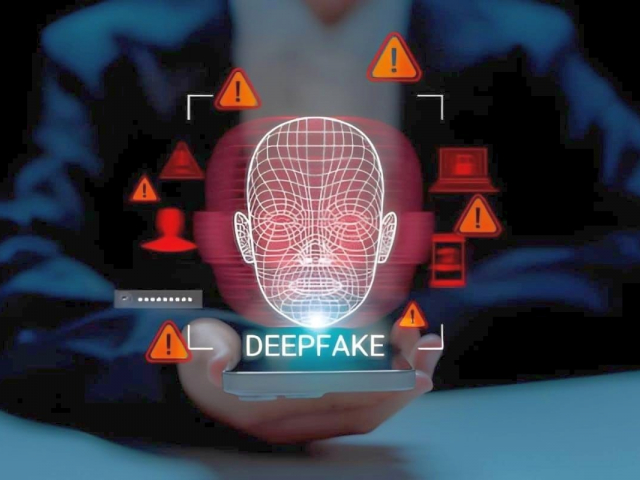
Nowadays, neural networks can generate text indistinguishable from human writing. Hence, forensic linguists are indispensable. They develop methods to identify a “machine trace” in documents, news, and correspondence. This work protects informational integrity and fights disinformation. Such experts are in high demand in courts, the media, and security services, where determining authorship (human or machine) can be a matter of national security or a grave financial risk.